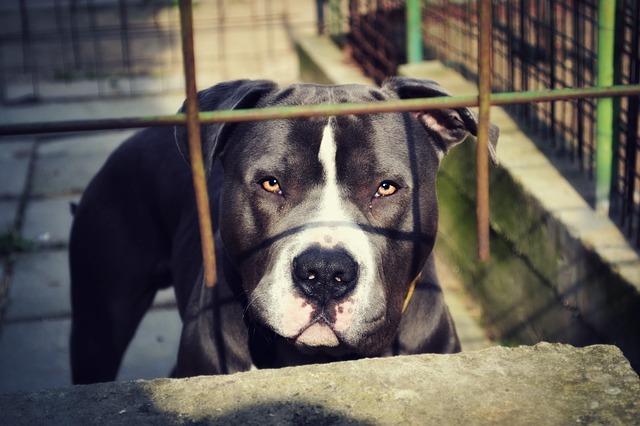
Pit bull behavior problems are typically the result of not being properly trained. If your pit bull is a rescue or adopted and were improperly treated or abused, that will play a major role in their behavior or aggression. The good news is with proper training, you can have your pit bull’s behavior problems corrected.
Why Pit Bull Behavior Problems Develop
Most pit bull behavior problems are not a sign of a bad dog. They are the predictable result of a high-energy, intelligent, people-focused breed whose needs are not being fully met. The three most common root causes are under-exercise, under-socialization, and inconsistency. An under-exercised pit bull has energy that has to go somewhere, and it often goes into barking, jumping, or chewing. A dog that was never gradually introduced to new people, dogs, sights, and sounds during its first months of life may grow up fearful or reactive. And inconsistent rules, where one person allows jumping on the couch and another scolds for it, leave the dog confused about what is expected. Punishment-heavy handling makes all of this worse: yelling, leash-jerking, or physical corrections can suppress a behavior in the moment but often increase the fear and anxiety underneath, which is why problems come back or escalate. The fixes below work by addressing the cause instead of just the symptom. An under-exercised or under-stimulated pit bull may also turn into an escape artist, bolting out open doors or climbing fences; while you work on the root cause, a GPS dog tracker can help you find a dog that wanders off.
Top 4 Pit Bull Behavior Problems and Solutions
Pit bull aggression
Pit bull aggression is displayed with aggressive barking or biting. Pit bulls are not born aggressive. Aggression in pit bulls typically stems from a lack of training, improper training, or unfortunately abuse.
Pit bulls are lovers of people and would be more inclined to show aggression towards other dogs. Early and consistent socialization will familiarize your pit bull with different breeds and minimize or eliminate future aggression.
Training your pit bull is crucial. Proper pit bull obedience training when they are a puppy will help avoid aggressive behavior in adulthood. For a more economical solution, try one of the recommend online training courses below.
Aggression: deeper causes and first steps. Most aggression in pet dogs is fear- or frustration-based rather than dominance-based. A dog that lunges on leash is usually frustrated at being restrained near something it wants to reach or worried about it. Resource guarding, where a dog stiffens or snaps over food or toys, is a separate and specific problem with its own approach. Pain or medical issues can also make a dog snap, so any sudden behavior change deserves a veterinary check first.
Three first steps you can take right away: first, manage the environment so your dog rehearses the problem less, by increasing distance from triggers, skipping the dog park while you work on this, and giving your dog a quiet retreat space. Second, never punish growling. A growl is a warning, and punishing it removes the warning without removing the fear underneath. Third, reward calm behavior around mild versions of the trigger from a distance where your dog can still think and take treats. Anything involving aggression toward people, a bite, or escalating behavior is the point to bring in a certified professional rather than experimenting on your own (see the professional help section below).
Pit bull barking
Pit bulls barking excessively can be challenging at times, but fixable. Usually your pit bull is barking because of fear/territorial or attention. Several other reasons stem from these basic principles. You can train your pit bull to stop barking with a few simple tactics
Barking: deeper causes and first steps. Figure out the function of the barking first, because the fix depends on the cause. Alert barking happens at the window or fence; attention barking is aimed at you and stops being rewarding for you long before it stops being rewarding for the dog; boredom barking fills an empty afternoon; anxiety barking comes with pacing, drooling, or destruction.
Three first steps: first, do not yell at the barking, because to your dog it sounds like you are barking along, which is rewarding. Second, reward quiet. When your dog pauses barking, even for two seconds, mark it with a “yes” and treat. You are building a quiet habit the same way you build sit. Third, remove the payoff. For attention barking, calmly withdraw your attention by turning away or briefly leaving the room. For alert barking, manage the view with curtains or a different resting spot, and teach an incompatible behavior like settling on a mat.
Pit bull chewing
Pit bull chewing can be quite normal for a puppy especially when teething. Training, chew toys, and treats should be used early to redirect and stop your pit bull puppy from chewing and licking your personal items.
Adult pit bull chewing can be related to fear and separation anxiety. This can also be corrected with the right training steps..
Chewing: deeper causes and first steps. Chewing itself is normal, but destructive chewing usually means the dog is bored, anxious, or never learned which items are legal. Teething puppies chew to soothe sore gums, bored adolescents chew for entertainment, and anxious dogs chew to self-soothe.
Three first steps: first, exercise and mental work come first. A tired pit bull is dramatically less interested in your couch. Second, puppy-proof the house and provide several durable, appropriate chew outlets so the legal choice is always available. Third, redirect in the moment and reward the legal choice, and when you are not home, use a crate or a single safe room so the dog cannot rehearse the problem. Our pit bull chewing guide covers this in detail.
Pit Bull Jumping
If your pit bull is jumping up on guests in your house it is because they are excited. It can be embarrassing for you when having a formal guest over especially dressed nicely. It can also be dangerous for an elderly person who is afraid and may fall backwards in fear.
Brain Training for Dogs has a great training method to stop your pit bull from jumping up.
Jumping: deeper causes and first steps. Dogs jump because it works: it gets faces, hands, and attention, and even a push away often counts as attention to an excited dog. Scolding and kneeing can make a frantic dog more frantic.
Three first steps: first, teach and rehearse sit for greetings so the dog has a job to do when people arrive. Second, remove the reward. When the dog jumps, turn away calmly with no talking, touching, or eye contact. The instant all four paws are on the floor, greet warmly. Third, enlist your guests. Ask everyone to follow the same rule, because one person who rewards jumping keeps the habit alive for everyone. Our detailed post on getting your pit bull to stop jumping walks through the full process.
When to Get a Professional Trainer or Behaviorist
DIY training handles a lot, but some problems need expert help, and getting it early is cheaper and safer than waiting. Bring in a certified professional dog trainer or a veterinary behaviorist if your dog has growled, snapped at, or bitten a person; if aggression is escalating or now happens in situations that used to be fine; if your dog panics when left alone to the point of injuring itself or trying to escape; if you have tried consistent training for several weeks with no improvement; or if you simply feel unsafe or overwhelmed. That last reason is good enough on its own.
Choose carefully. Look for credentials such as CPDT-KA for trainers or DACVB for veterinary behaviorists, and for trainers who explain their methods and set realistic expectations. Be cautious of anyone who guarantees a fixed result in a set number of sessions, or whose program is built around intimidation, pain-based tools, or dominance corrections. These approaches suppress behavior without addressing the fear or anxiety underneath and can make aggression worse. Start with a veterinary check too, since pain, thyroid problems, and other medical issues can drive sudden behavior changes.
Pit Bull Behavior Problems Solution
Pit bulls are an intelligent dog breed and will greatly benefit from a good dog training program. There are more online dog training options available today than ever before. This will help keep the costs down from potentially expensive dog training. These courses below also have free options available.
Dog owners have had great success using online dog training programs such as:
- Train Pet Dog
- Brain Training for Dogs
- Secrets to Dog Training

The great thing about online courses is that you can access them immediately and begin training your pit bull now. Once you see your pit bull responding to basic dog commands, you will see how rewarding a well-trained pit bull can be for both of you. With this proper training, your pit bull behavior problems will be a thing of the past.